
Our Story
We Document the World's Living Cultures
Culti is an editorial platform dedicated to deep cultural storytelling — not the postcard version of the world, but the real, breathing, complex human experience.
Culti is an editorial platform dedicated to deep cultural storytelling — not the postcard version of the world, but the real, breathing, complex human experience.
Culti was founded in Tokyo in 2014 from a simple but urgent belief: that cultural understanding is the most powerful antidote to the division, fear, and misrepresentation that dominate so much of how the world sees itself. In an age of headlines and hot takes, we chose the long read, the slow journey, and the genuine encounter.
Our team is made up of writers, photographers, ethnographers, and researchers who don't parachute into cultures — they embed themselves within them. Many of our correspondents have lived in the regions they cover for years, sometimes decades, building trust and access that no press trip can replicate. Every story we publish reflects real relationships with real people.
Editorial independence is non-negotiable. We accept no sponsored content, no tourism board funding, and no arrangements that compromise the honesty of our reporting. Ethical storytelling means ensuring that the communities we document benefit from — and have meaningful input into — how they are represented to the world.
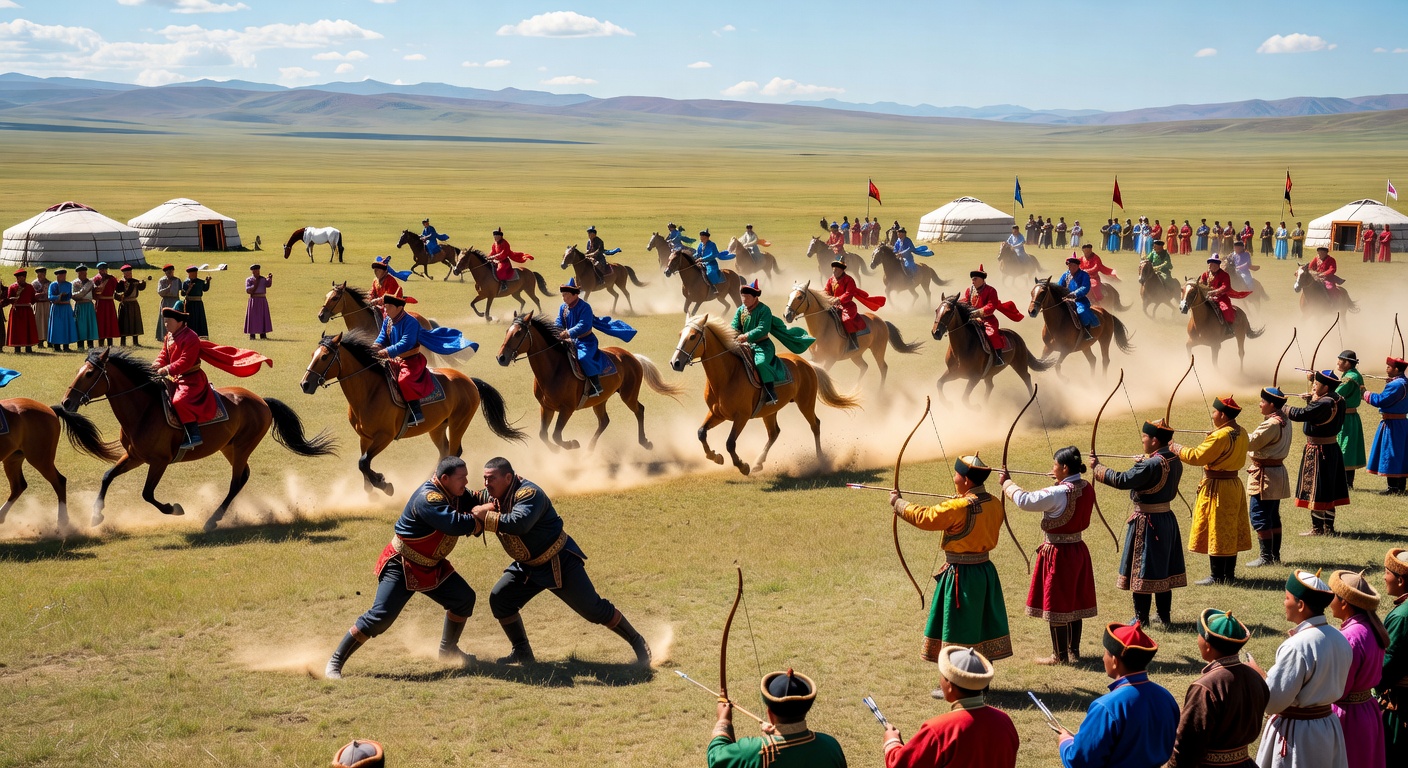
Everything we publish is guided by three principles that have shaped Culti since its founding.
We spend months in a culture before writing about it. We listen before we speak. Our process demands patience — a quality that is increasingly rare, and increasingly necessary.
We partner with local communities and ensure our coverage gives more than it takes. We share revenues with local contributors and always seek informed consent from the people we portray.
We resist the clickbait. Real culture takes time to understand and time to tell. Our features are long, our investigations are thorough, and our photography is never staged for Western expectations.

Amara has lived in Accra for eight years, documenting Akan traditions and contemporary Ghanaian art.
Based in Kyoto, Hiroshi writes about Japanese aesthetics and the cultures of Southeast Asia.
Fatima documents the cultural crossroads of Morocco, Egypt, and the broader Arab world.
From her base in Cusco, Lucia writes about Andean cultures and South American traditions.
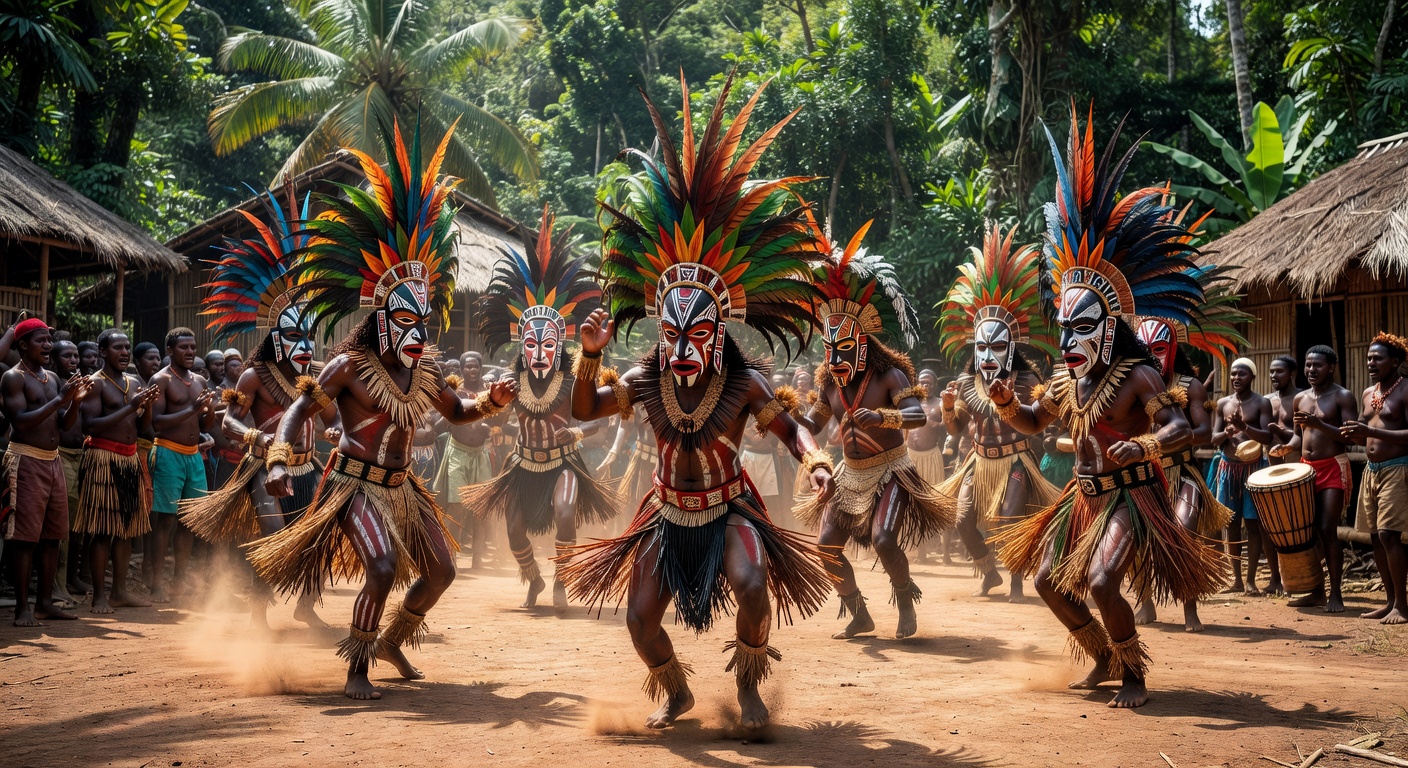
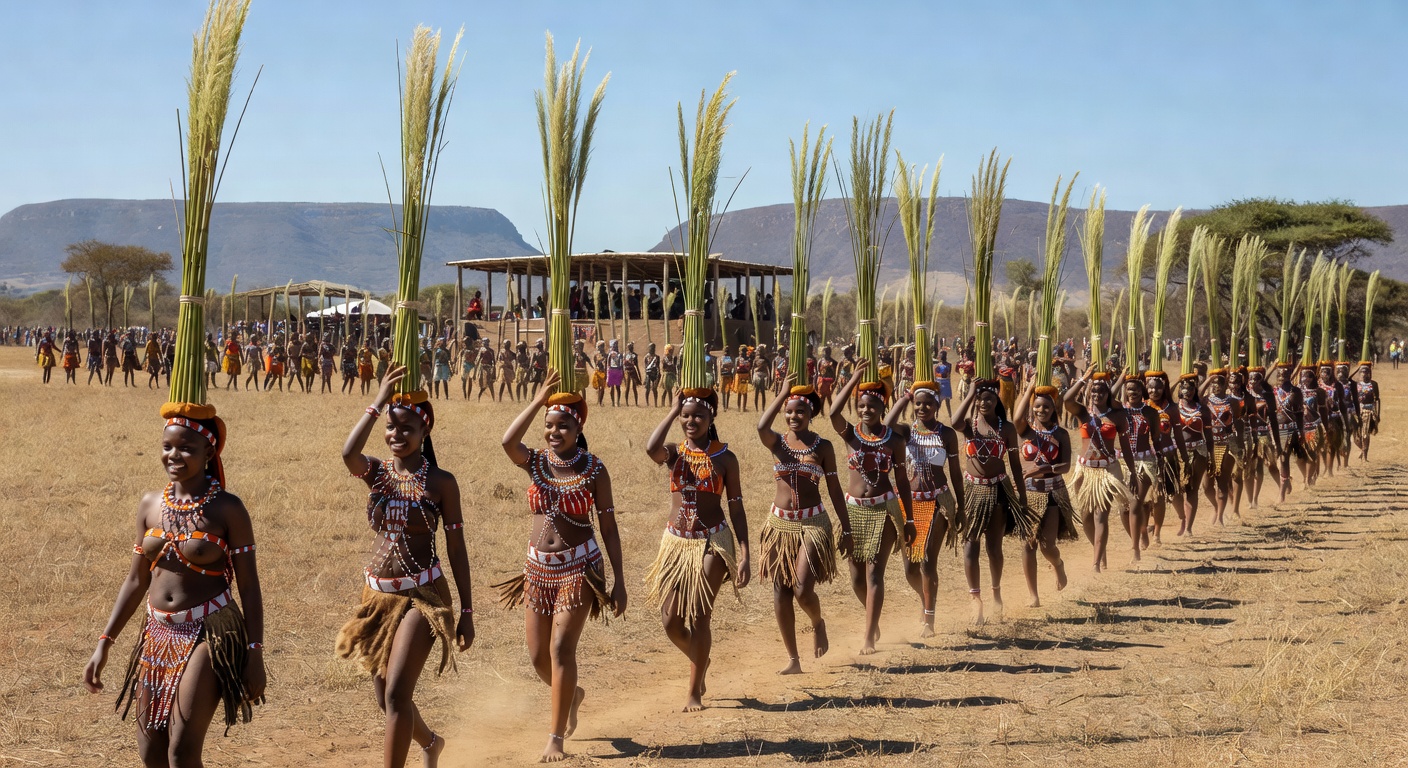
Whether you have a story to tell, a culture to share, or simply a desire to understand the world more deeply — we want to hear from you.