The most common mistake the eager cultural traveler makes is arriving. Arriving with answers, with a schedule, with a camera raised before a connection is made. We arrive with the posture of a consumer — hungry for experience, ready to collect — rather than the posture of a guest, which requires patience, humility, and the willingness to wait.
The Patience of Observation
The ethnographer's first tool is not a notebook or a recorder. It is stillness. Before Margaret Mead wrote a word about the cultures she studied, she sat. She watched. She learned the rhythms of daily life the way a musician learns a piece of music — by listening far more than performing. This principle, transported from the field researcher's world into the traveler's, is perhaps the most transformative shift a curious person can make.
I once sat at the perimeter of an Aboriginal corroboree in the Northern Territory of Australia for nearly two hours. I had been told by our community guide that I was welcome to observe from a distance, but that the centre of the ceremony was not for me — not yet, and perhaps not ever. In that two hours of watching, I learned more about the relationship between land, ancestry, and movement than any museum exhibit had ever conveyed. When an elder eventually gestured for me to move closer, I understood something of the weight of that invitation. The gesture meant I had demonstrated, through patience, that I could be trusted with proximity.
Eye contact is another dimension of this lesson. In many East Asian cultures, sustained eye contact with an elder or authority figure signals challenge rather than engagement. In parts of West Africa, averting your gaze in the presence of an elder is a mark of respect that a Western traveler, conditioned to see eye contact as honesty, will misread entirely. Understanding these signals — not as exotic curiosities but as functional social technologies — is the beginning of cultural literacy. You cannot participate meaningfully in a culture whose grammar you have not begun to study.
"You are not a guest who arrived. You are a stranger who hopes to be invited. The difference is everything."
— Amara Osei, West Africa Correspondent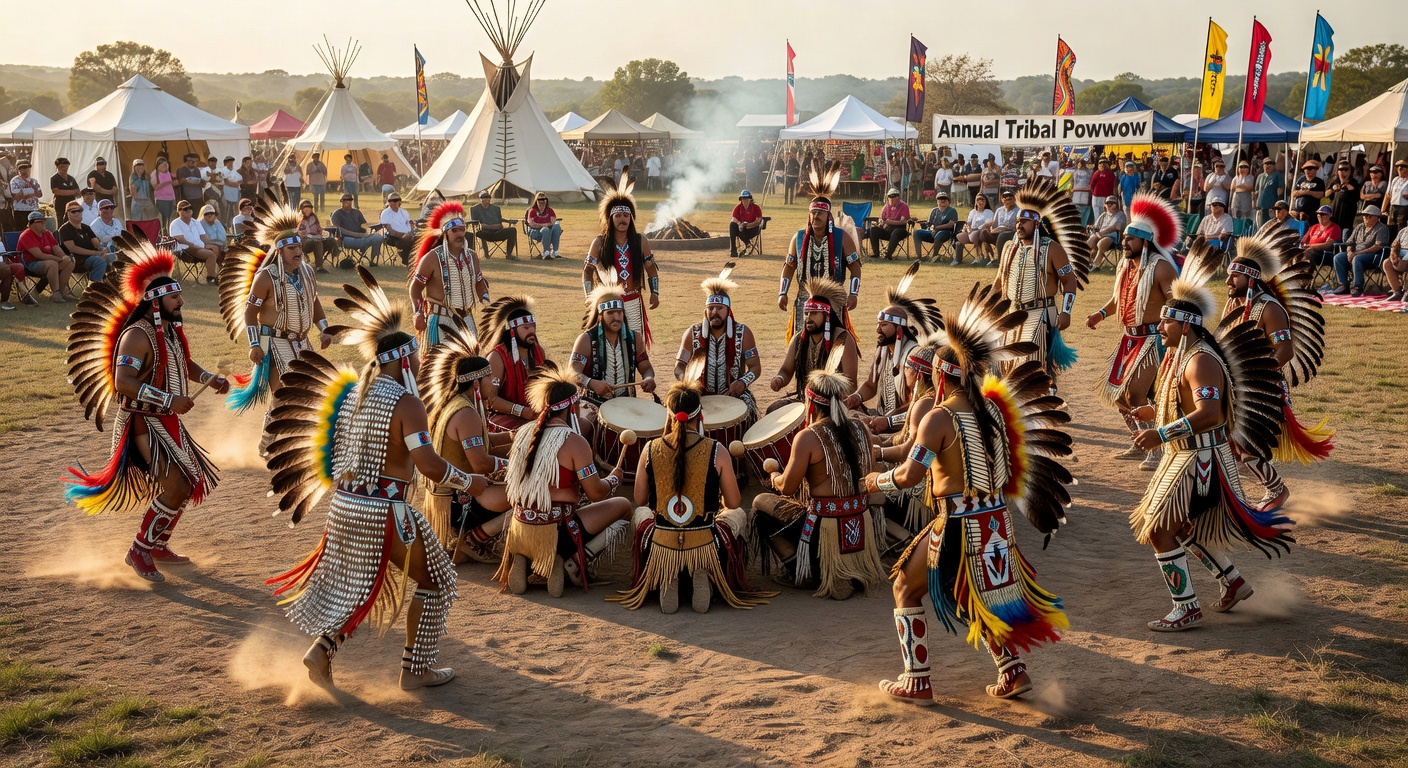
The Language Before Language
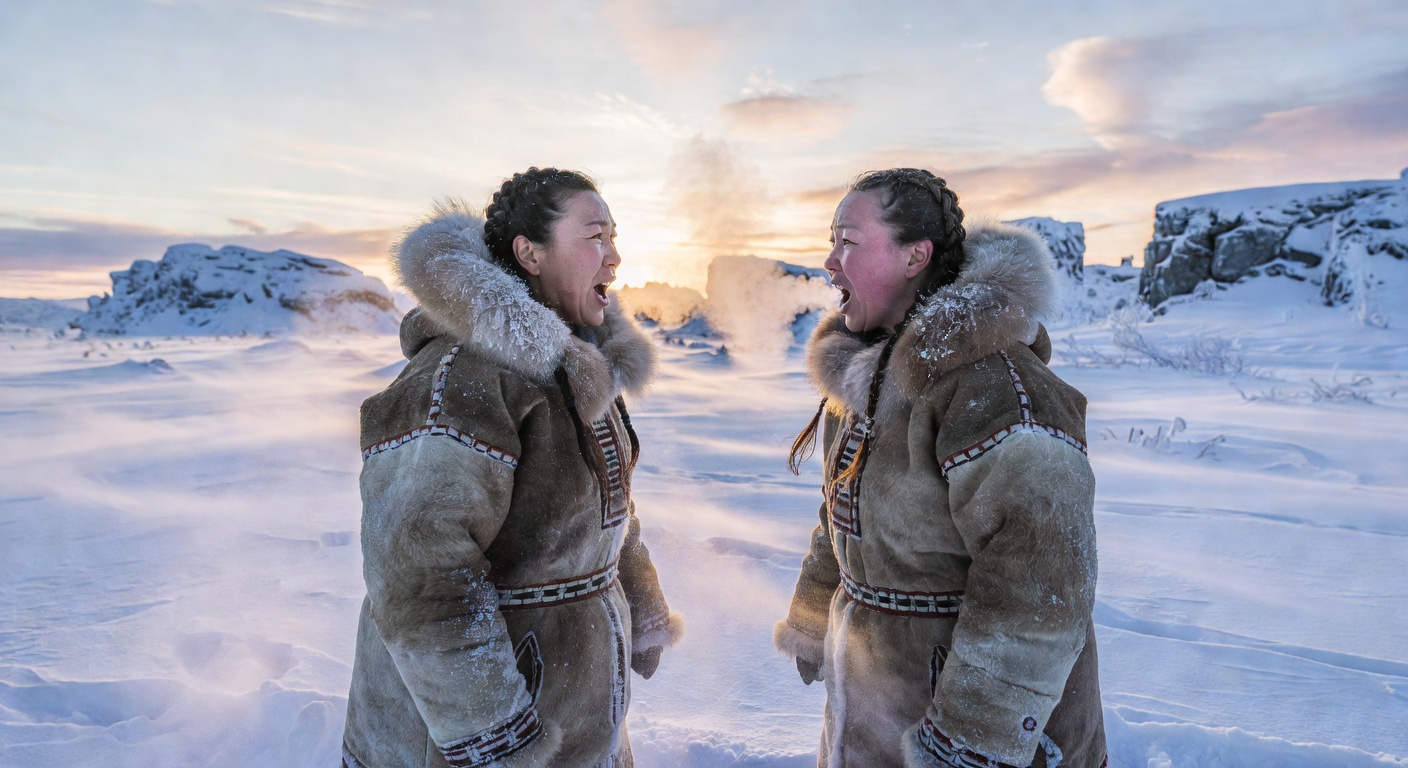
Before words, there is posture. The angle of a body toward or away from another person carries meaning that predates every spoken language on earth. Proximity — the distance you stand from someone — is regulated by invisible cultural rules that vary dramatically by region. In Brazil, close physical proximity during conversation signals warmth and engagement. In Japan, the same proximity would constitute an unsettling intrusion. The traveler who does not know this will consistently misread the social temperature of every room they enter.
Silence, too, is a language. In Finnish culture, silence between people who know each other well is comfortable, even honoring — it signals a relationship secure enough that words are unnecessary. In cultures shaped by oral storytelling traditions, silence in response to a question may indicate that the question itself requires more consideration than you have given it time to deserve. The traveler who rushes to fill silence with more questions has, without knowing it, communicated impatience and a lack of depth.
The ritual of food and drink extends this non-verbal grammar further still. In many cultures across the Middle East, Central Asia, and sub-Saharan Africa, refusing offered food or drink is not a neutral act — it communicates distrust, or at minimum, indifference to the warmth of the host's gesture. Accepting, even a small portion, even when you are not hungry, signals reciprocity. Learning to navigate these acts of refusal and acceptance — to understand the social contract encoded in a cup of tea — is perhaps the most immediately useful form of cultural literacy a traveler can develop.
When You Are Welcomed
There is a specific quality to the moment when a community shifts from tolerating your presence to genuinely including you. It is not dramatic. It does not announce itself. You may be handed a tool and wordlessly shown how to use it. You may be placed at a table rather than left standing at the edge. A child may take your hand. These small gestures, unscripted and unrehearsed, represent something that cannot be purchased through a tour operator or arranged through an itinerary — they are the community's own recognition that you have demonstrated sufficient respect to be trusted with proximity.
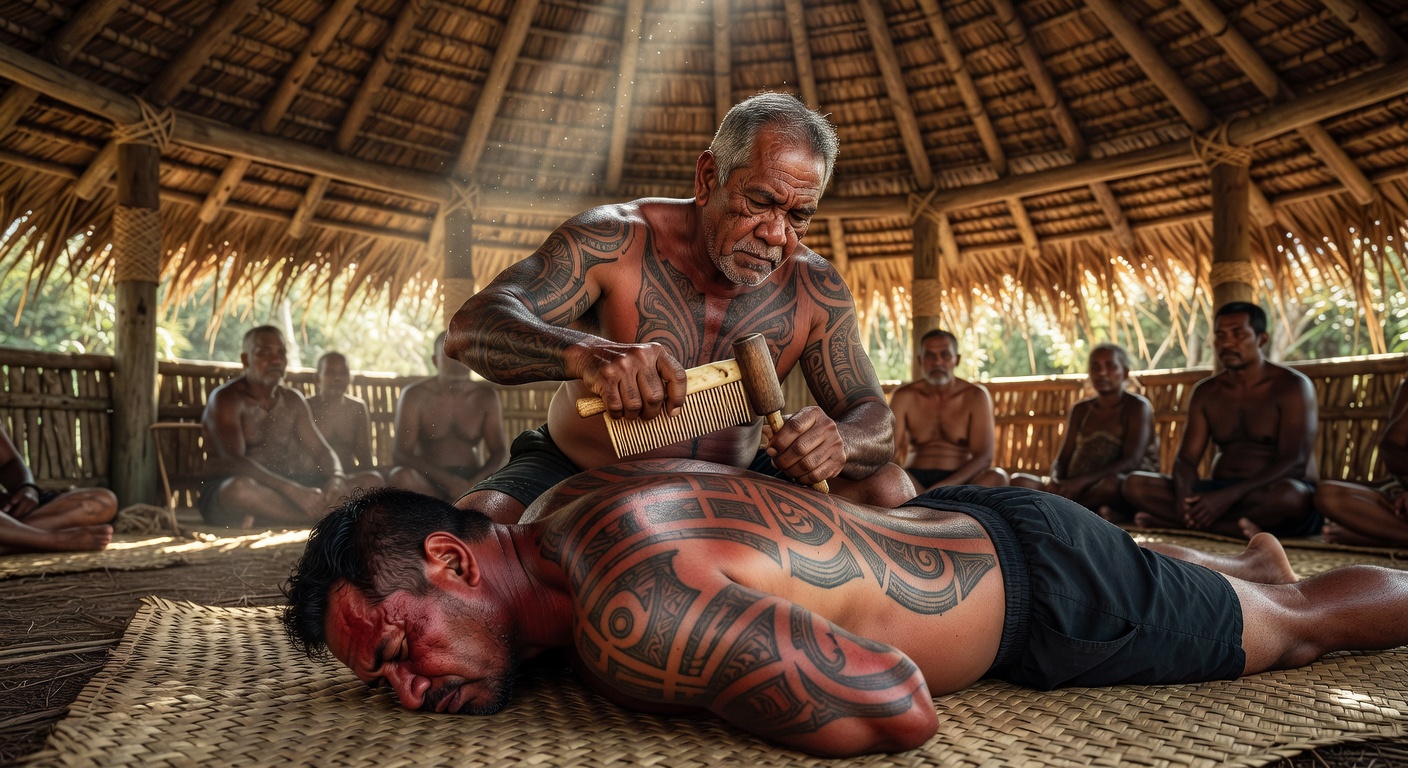
With that welcome comes responsibility. When the Samoan tattooist — the tufuga ta tatau — allows you to witness the pe'a ceremony, you are not a tourist at an attraction. You are a witness to a six-day ritual of endurance and identity that encodes a man's genealogy and communal belonging into his body. The responsibility of that witnessing is real. What you do with what you have seen — how you speak of it, whether you photograph it, how you represent it to others — becomes part of your ethical relationship with that community, whether you return to them or not.
The Ethics of What You Carry Home
In the age of the smartphone, every traveler is also a publisher. The image you take of a ceremony, a face, a sacred object is not a private act — it is potentially a broadcast to thousands. This shift in the nature of documentation has created new ethical dimensions that older travel writing never needed to address. Communities that have welcomed photographers have found their images repurposed without permission, stripped of context, or used in ways that distort or diminish their cultural meaning. The result, in some places, is that cameras are now banned from ceremonies that were once open to respectful outsiders.
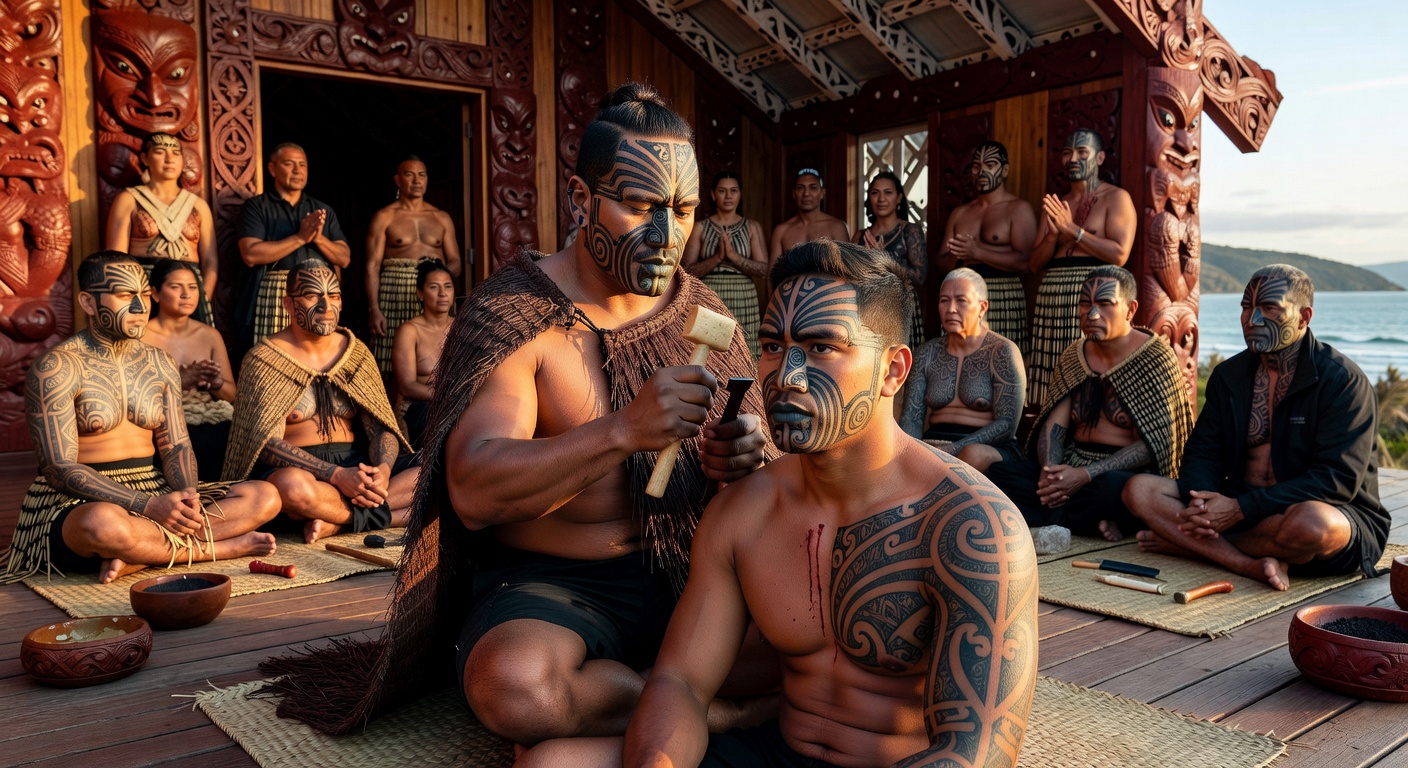
Responsible documentation begins with asking, and asking properly — not through gesture or assumption, but through genuine consent, often mediated by a guide who understands the cultural stakes. It continues in how you share: attributing correctly, providing context, returning images to communities when possible. The Māori concept of tā moko — facial tattooing that encodes genealogy, tribal affiliation, and personal history — is not a photographic subject. It is a living text written on a person's face, and reproducing it without that person's explicit understanding of how it will be used is a form of appropriation that no good intention excuses.
Cultural immersion, practised with the patience and humility it demands, does something to the traveler that no other experience quite replicates. It does not merely add a destination to a list or a photograph to a feed. It restructures the traveler's understanding of what is universal and what is particular — of what they had assumed was simply human and what is, in fact, the specific genius of a specific people in a specific place. You return changed not in the way that tourism promises change, as a surface renovation, but in the way that a genuinely new idea changes a mind: permanently, quietly, and with no possibility of going back to the shape you were before.