Culture Deep Dive
Japan: The Art of Living
A civilization built on silence, precision, and the profound beauty found in fleeting moments.
A civilization built on silence, precision, and the profound beauty found in fleeting moments.
Japan is a country that holds its contradictions with extraordinary grace. It is the land of Kyoto's ancient moss gardens and Tokyo's neon-lit towers, of monks in mountain temples and teenagers in Harajuku. What unifies these extremes is an aesthetic sensibility so deeply embedded it operates at the level of instinct — the philosophy of wabi-sabi, the acceptance of imperfection and transience, shapes everything from temple architecture to the way food is plated.
The concept of ma — negative space — is another axis of Japanese cultural understanding. The pause between musical notes matters as much as the notes themselves. The empty corner of a room is not wasted space; it is breathing room for the eye and the soul. Where Western aesthetics pile beauty upon beauty, Japanese aesthetics achieve beauty through restraint, through the eloquence of what is left unsaid and what is left bare.
Japanese aesthetic traditions — ikebana (flower arranging), kado (the way of flowers), sado (the way of tea), and budo (the martial ways) — are not hobbies. They are lifelong disciplines, each a gateway to the same destination: the refinement of attention. To arrange a single branch of plum blossom correctly is to understand something essential about impermanence, about the relationship between human intention and natural form. This is why culture in Japan is never merely decorative.
Japan's cultural genius lies in transforming philosophical ideas into lived, daily practice. These four concepts are the invisible architecture of Japanese life.
The acceptance of imperfection and transience — finding beauty in the asymmetrical, impermanent, and incomplete. A cracked tea bowl repaired with gold is more beautiful for having been broken.
The art of negative space — the pause between notes, the emptiness in a room, the silence in a conversation. Ma teaches that what surrounds a thing gives it meaning as much as the thing itself.
Japanese hospitality taken to its zenith — anticipating a guest's needs before they are expressed. Omotenashi is selfless, ego-free service; it asks nothing in return and expects no acknowledgement.
The gentle sadness of passing things — the bittersweet appreciation that beauty is most beautiful because it fades. Cherry blossoms matter because they fall. Youth matters because it passes.
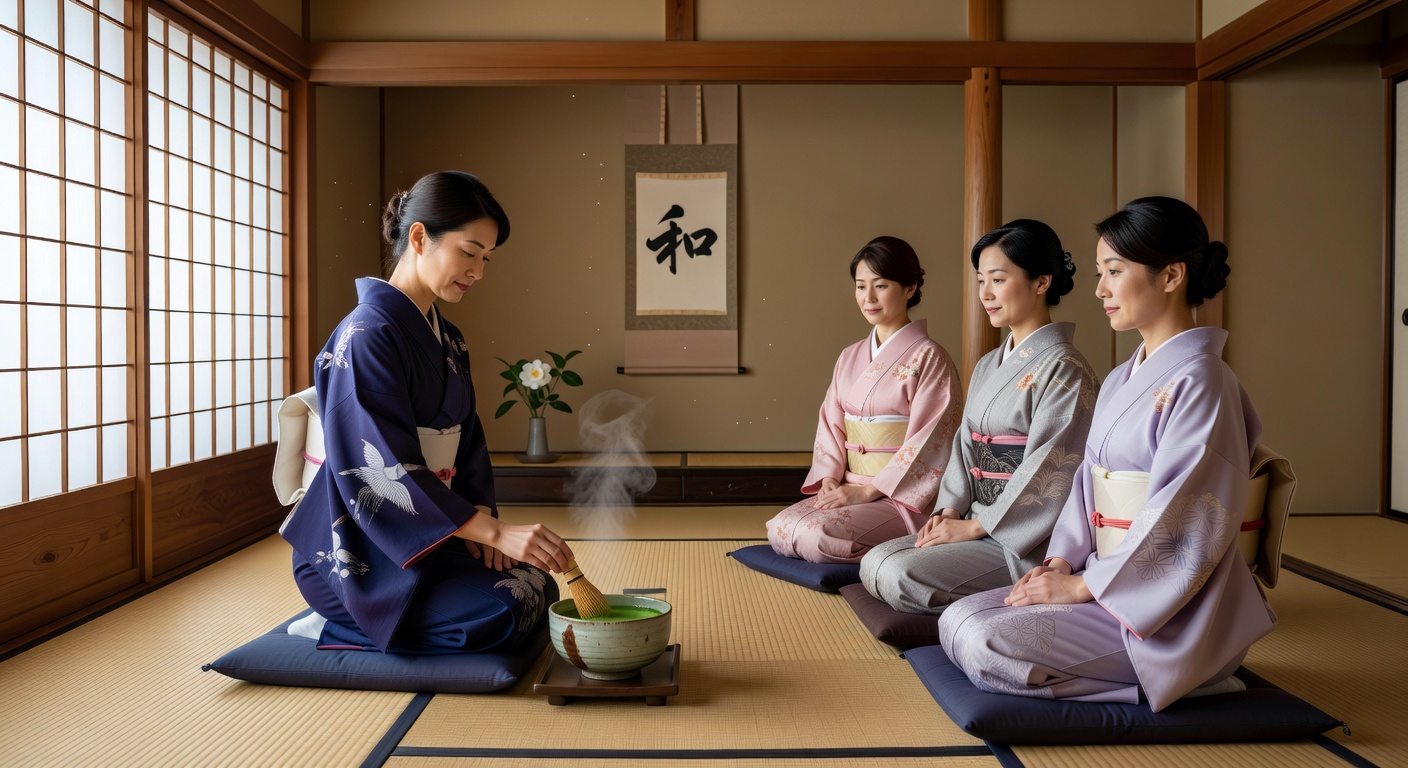
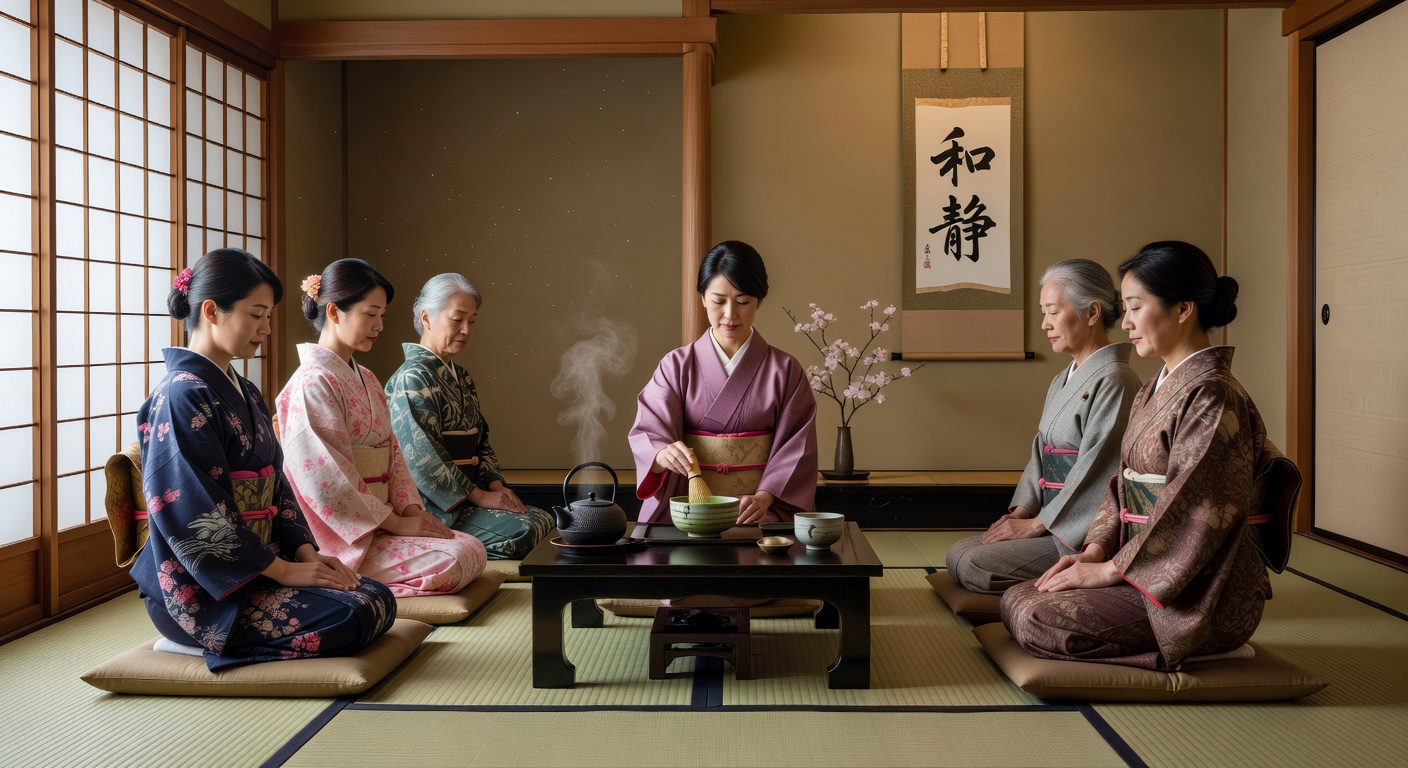
In Japan, the ordinary is never merely ordinary. The tea ceremony — chado — is at once a social ritual, an aesthetic practice, a philosophical statement, and a spiritual discipline. Its four principles, codified by the 16th-century tea master Sen no Rikyu, are harmony, respect, purity, and tranquility. These words describe not just how to make tea, but how to move through the world.
Flower arranging (ikebana) transforms cut flowers into meditations on life and death. Calligraphy (shodo) turns writing into a contemplative practice requiring breath control, posture, and presence. Even the preparation of a bento box — the arrangement of colour, texture, and nutrition — is approached as a craft. Food culture across East Asia shares this reverence for process, but Japan elevates it further: the itamae (master chef) in Edo-style sushi spends a decade learning to cook rice before he is permitted to touch fish.
This elevation of the quotidian into the sacred is perhaps Japan's most significant contribution to world culture. It suggests that any human activity, however small, can be a path to mastery — and through mastery, a path to meaning.
Read: The Tea Ceremony →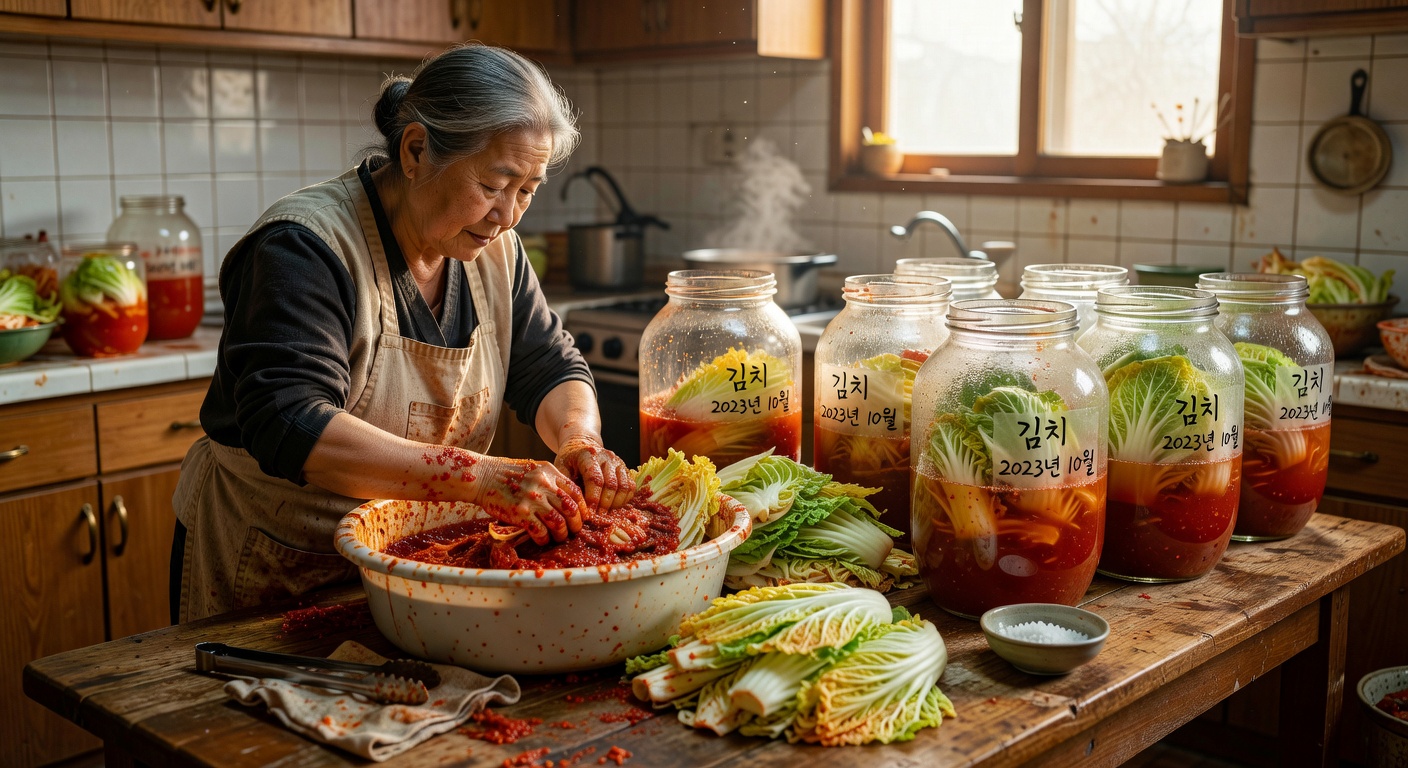
Japan's cultural calendar is shaped by its four distinct seasons, each offering a different lens through which to understand the country's relationship with nature and time.
Sakura season transforms Japan into a living painting. Hanami — the custom of picnicking under flowering cherry trees — is an ancient practice that reunites friends, families, and strangers beneath the same canopy of blossoms. Temples and gardens are at their most photogenic. The cultural immersion is total: join the crowds at Maruyama Park in Kyoto or Shinjuku Gyoen in Tokyo.
Koyo — fall foliage — rivals sakura in its beauty and cultural significance. Harvest festivals fill the countryside, and the mild temperatures make it ideal for walking through forest temples and mountain shrines. Autumn is also the season for many regional matsuri (festivals), each rooted in agricultural gratitude and community identity.
Winter reveals Japan at its most ceremonially intense. New Year's (Oshogatsu) is the most significant holiday of the year: temples ring their bells 108 times at midnight, families gather for toshi-koshi soba, and millions visit shrines for hatsumode (first prayer). Onsen (hot spring) culture is at its most sublime beneath falling snow.